
The Best Fat Tire Ebikes Under $2000
| Model | Best For | Price |
|---|---|---|
| Lectric XP 3.0 | Most Do-It-All | $999 |
| GOTRAX F3 | Most Comfortable | $999 |
| GOTRAX F2 | Best Beginner Folding | $765 |
| Hiboy P6 | Best Fat Tire eMTB | $939 |
| Denago Fat Tire Step Thru 2 | Most Rugged | $1,999 |

Paul Somerville
Rider Guide’s Editor-in-Chief is a seasoned expert in the electric scooter industry. With a wide-ranging background that includes managing scooter warehouses, selling thousands of motorcycles, and restoring high value (+1M) European sports cars, his expertise is unmatched. Having personally tested more than 100 electric scooters, he offers invaluable insights and recommendations to our readers. We are fortunate to have him as part of our team, as his diverse skill set and extensive experience ensure top-notch reviews.

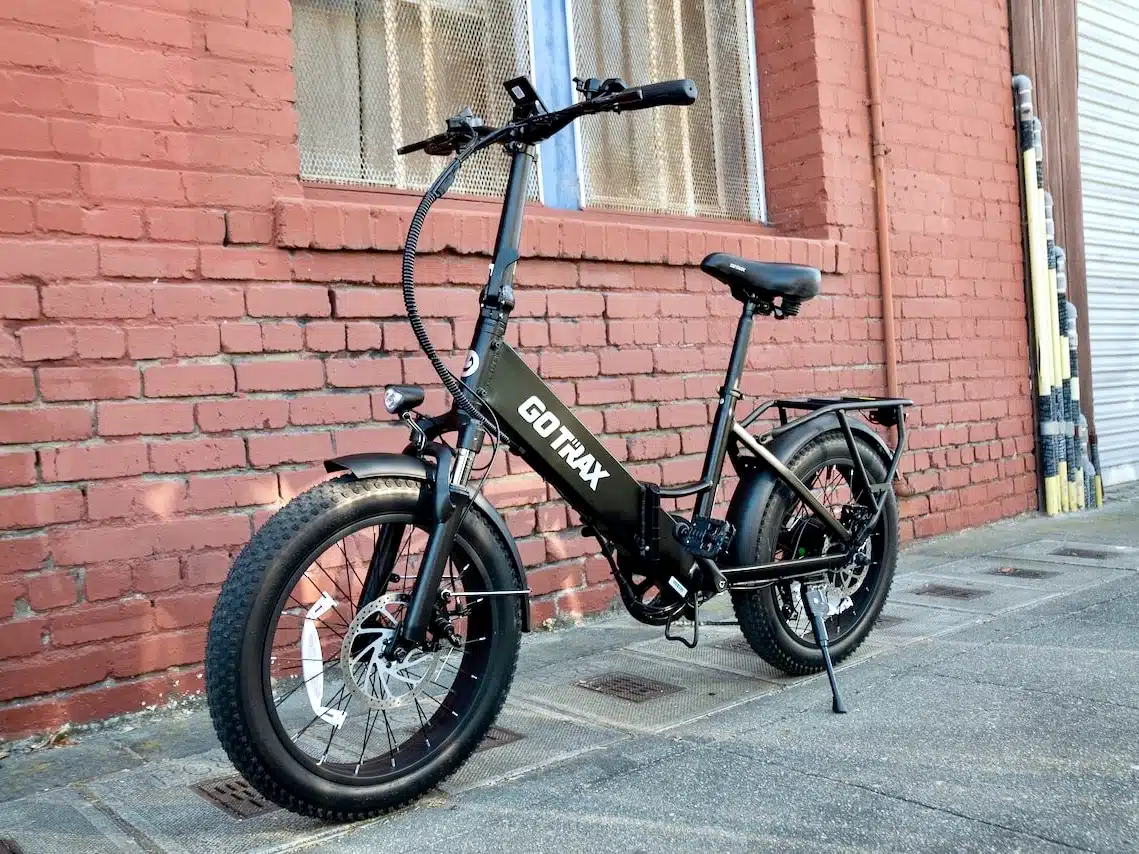

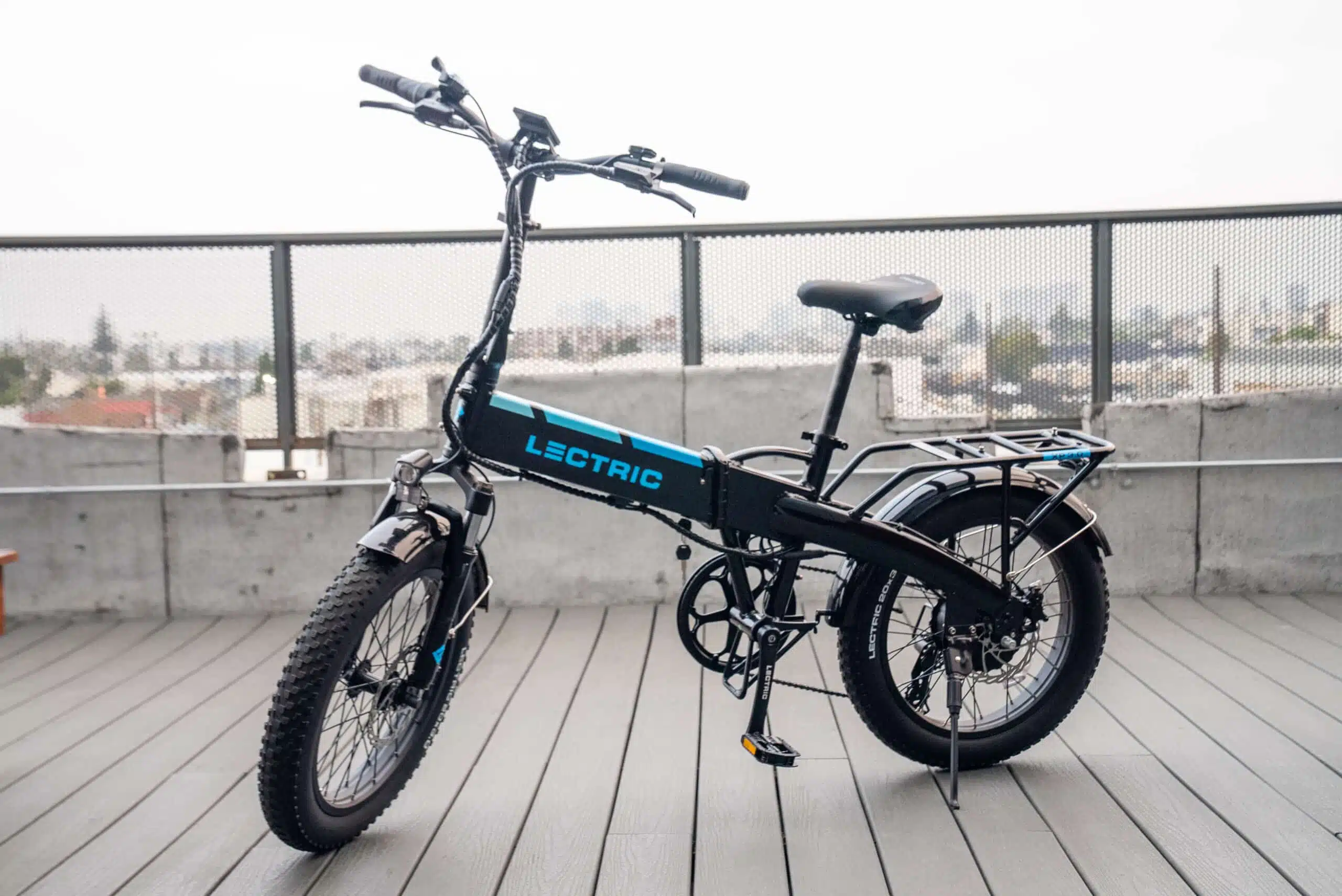
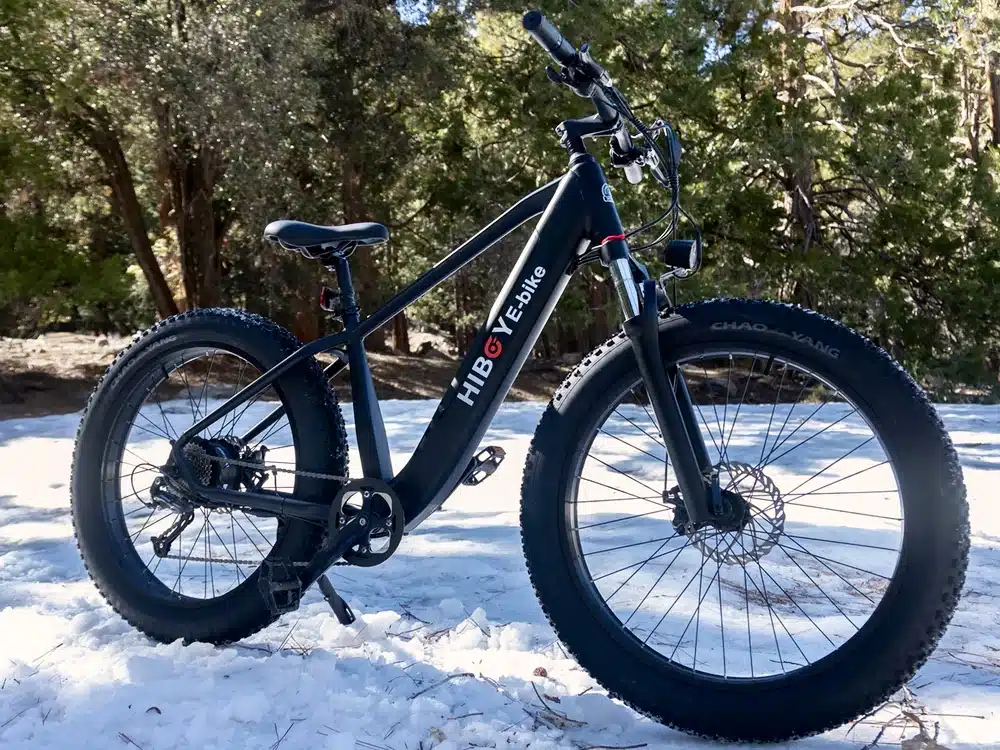
Our Picks for Fat Tire Ebikes of 2024: Denago Fat Tire Step Thru 2, GOTRAX F2, GOTRAX F3, Lectric XP 3.0, and HiBoy P6
Fat Tires for All Seasons
Fat tire electric bikes seem to be everywhere these days, and that’s because they can go almost anywhere; their wide tires travel over dirt, mud, rock, sand, and snow. Fat tire ebikes laugh at terrain that frightens other riders.
Fat tire ebikes typically have large, knobby tires between 3″ and 4″ wide, which gives them plenty of surface area for uneven roads and also means they can be run at very low PSIs for vibration damping, which makes them great rides for heavier riders.
Find the Right Ebike
Problem is, there are hundreds of fat tire models out there competing for your attention and your cash. How do know you’re getting an electric bike that won’t fall apart or catch fire?
We’ve ridden some of the most reliable, durable, fast, and fun electric bikes on the market. What do we look for in a quality fat tire electric bike?
Trusted Brands+Quality Component+Ratings+Testing
We look for trusted brands with good consumer reviews that offer warranty coverage on major parts. We look for high quality components, which includes everything from the drivetrain and gears to brakes, frame, handlebars, battery, motor, pedal assist system, controller, etc.
Most ebike makers source major components from other companies, so we look for brand names like Shimano on shifters and gears. We also like to see IP ratings for worry-free riding in wet weather and a UL Certification for safe charging and operation.
Best Value Online
Finally, we look for the best value online, where overhead is low and so are prices. These are the best values we can bring you on reliable, fast, and fun fat tire electric bikes from trusted brands.
Best Fat Tire Ebikes Under $2000: Summary
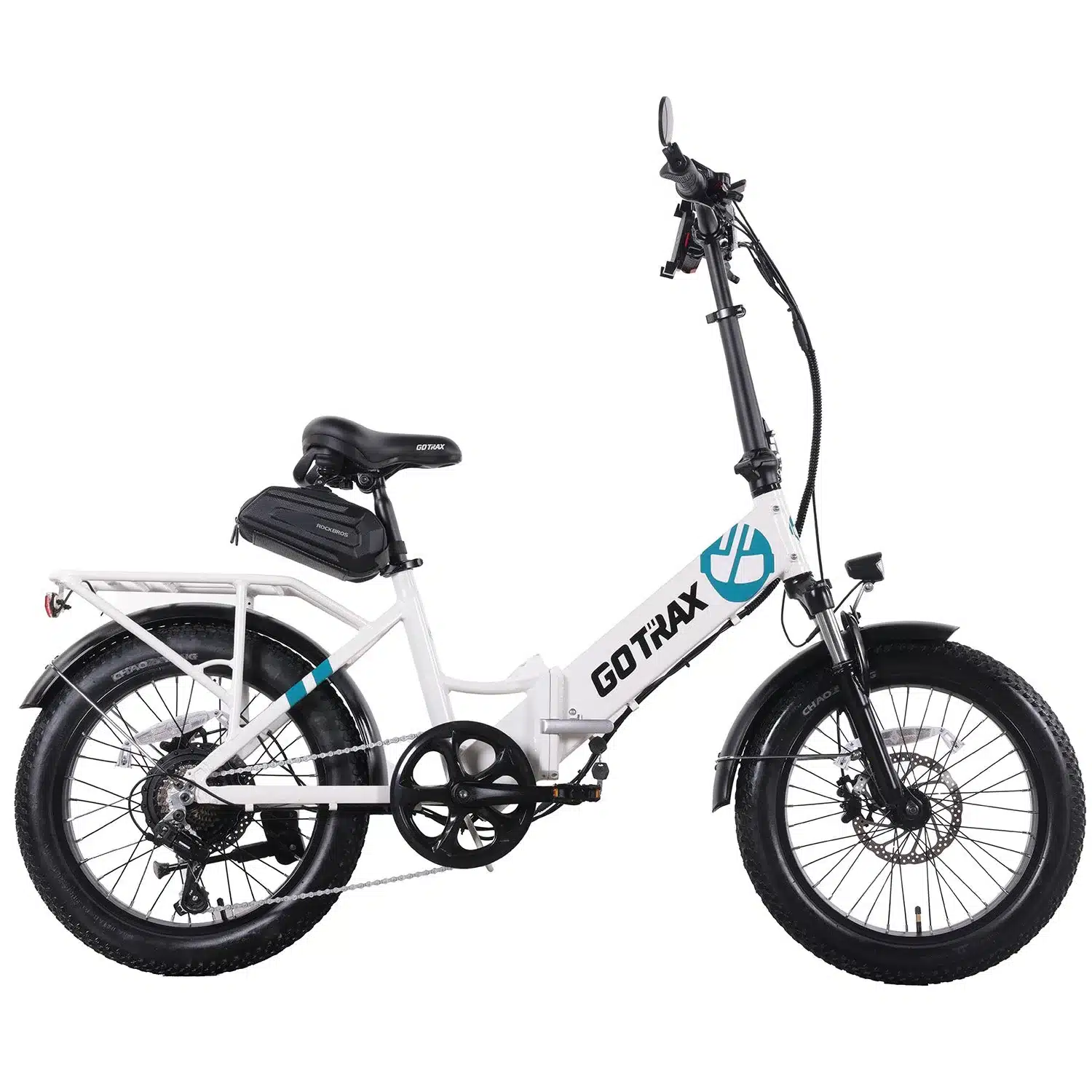
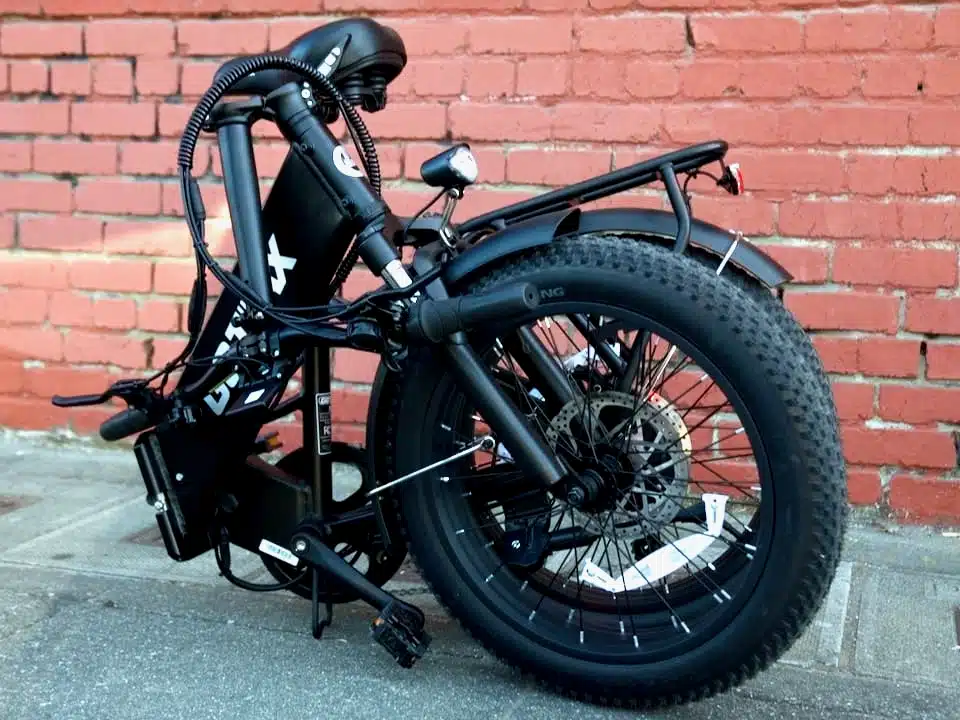
Best Beginner Folding Fat Tire Ebike: GOTRAX F2
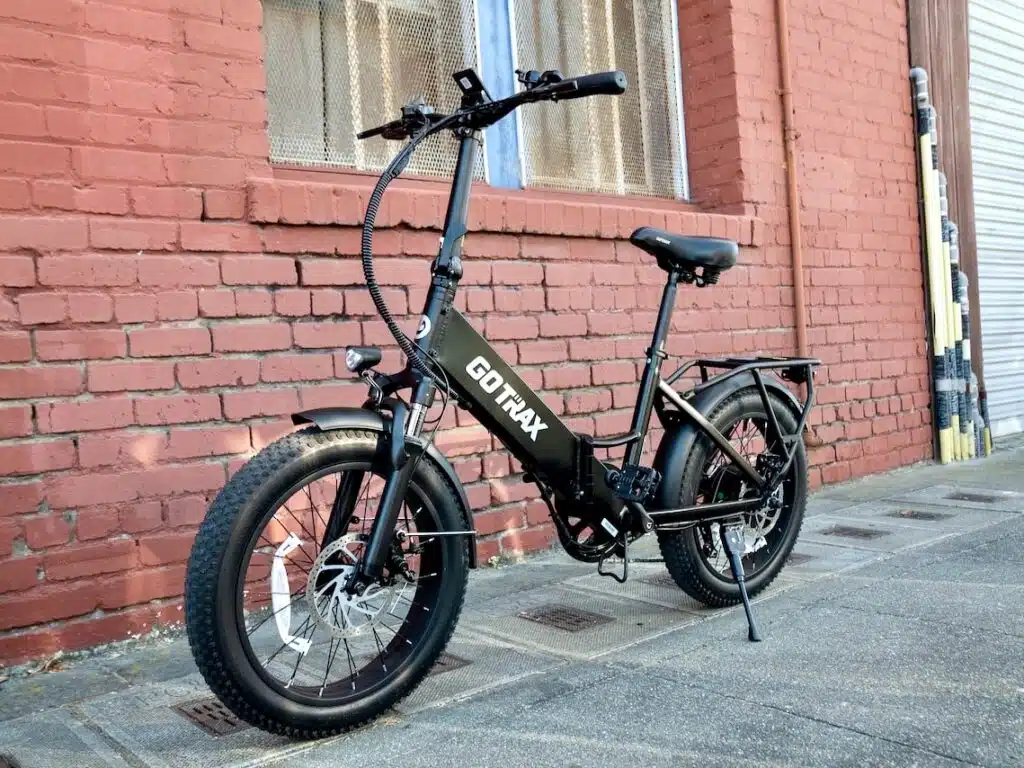
GOTRAX F2: $1199 $765
The GOTRAX F2 is the exact type of e-bike to look at if you are wanting a solid first e-bike. Its relatively small size and folding capabilities make it just about as compact as an adult ebike can be, but still delivers the performance, quality and features to make it fun and versatile.
The low price tag makes this one of the best values on the market for an electric bike with high top speed, long range, off-road capability, room for cargo with a high load limit, and a space-saving form factor.
Most Comfortable Fat Tire Ebike: GOTRAX F3
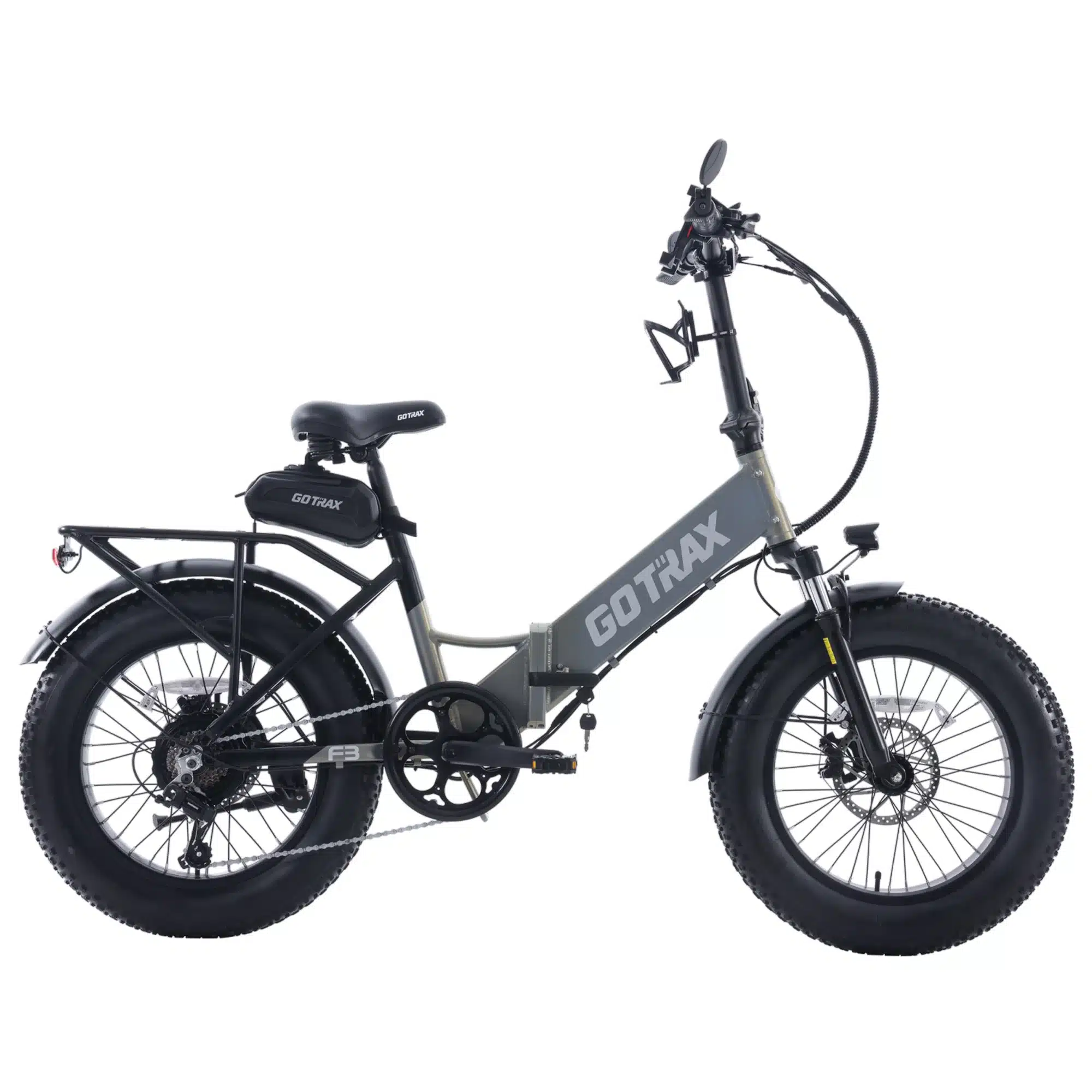
GOTRAX F3: $1299 $999
The GOTRAX F3 is a step up in weight from the F2, but it will give you the most ride comfort of all GOTRAX’s folding electric bikes and packs the most punch. If you don’t need to worry too much about transporting your bike frequently, and you want to hit some nastier trails on the way home, this is absolutely the way to go.
With up to 60 miles of range, the F3 is also a perfect companion for road trips since it can pack up neatly without a bike rack yet has all the comfort and convenience that you want in a long range electric bike.
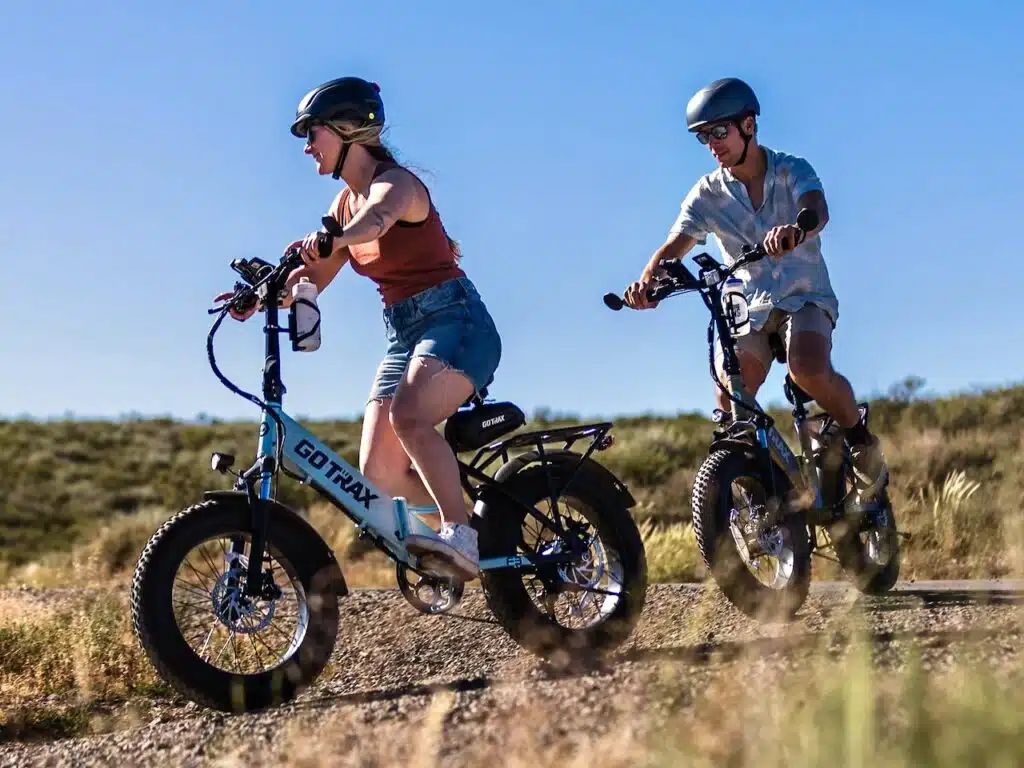
Best Fat Tire eMTB: Hiboy P6
Hiboy P6: $1479 $939
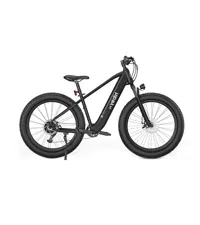
The Hiboy P6 has become very popular as an affordable hardtail electric mountain bike for daily commuters who go to war on weekends with hardcore terrain.
You get a 750W motor, hydraulic front suspension, 4″ wide tires for riding over… well, anything, and a maximum range of 60 miles in a very sleek, minimalist design.
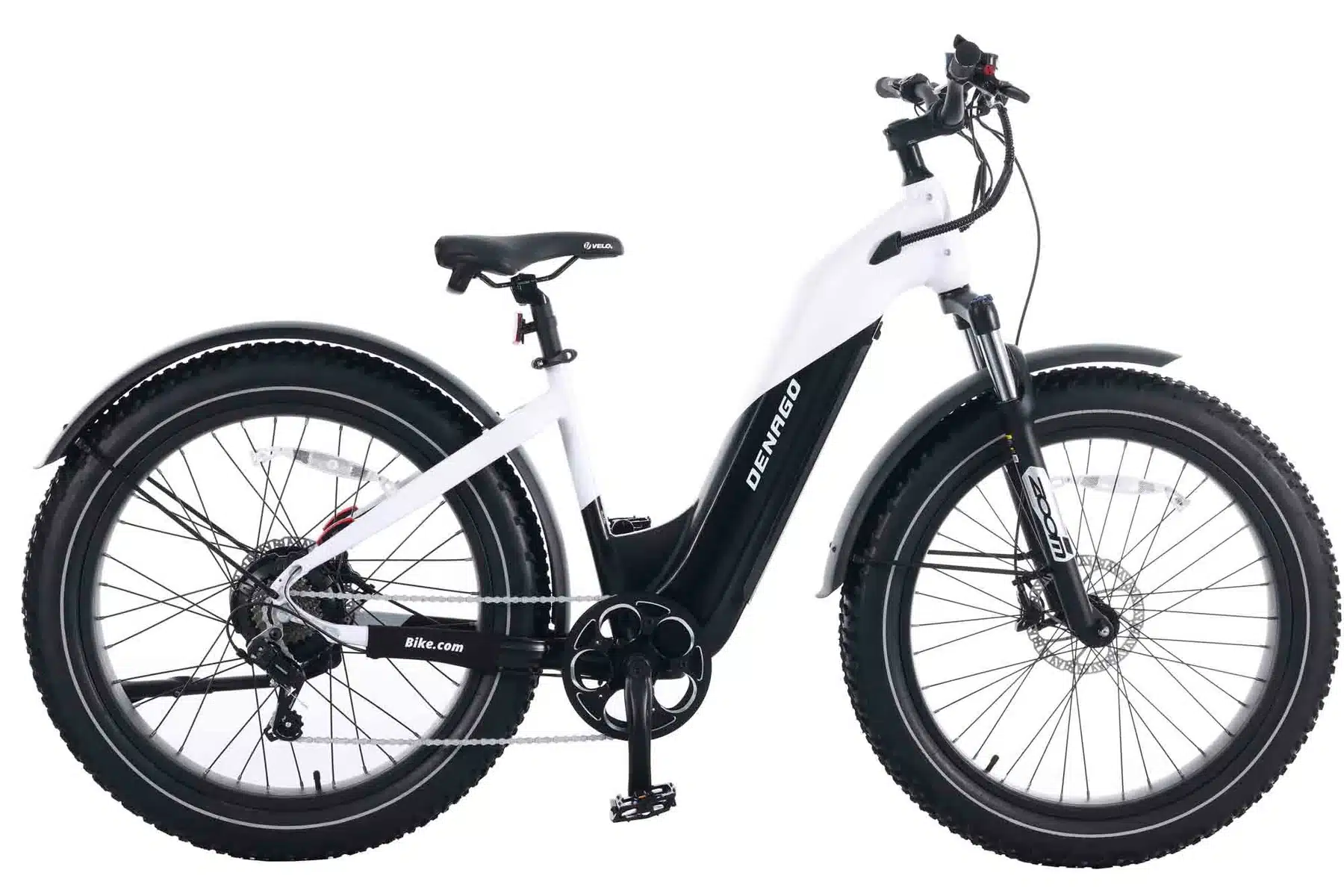
Most Rugged : Denago Fat Tire Step Thru 2
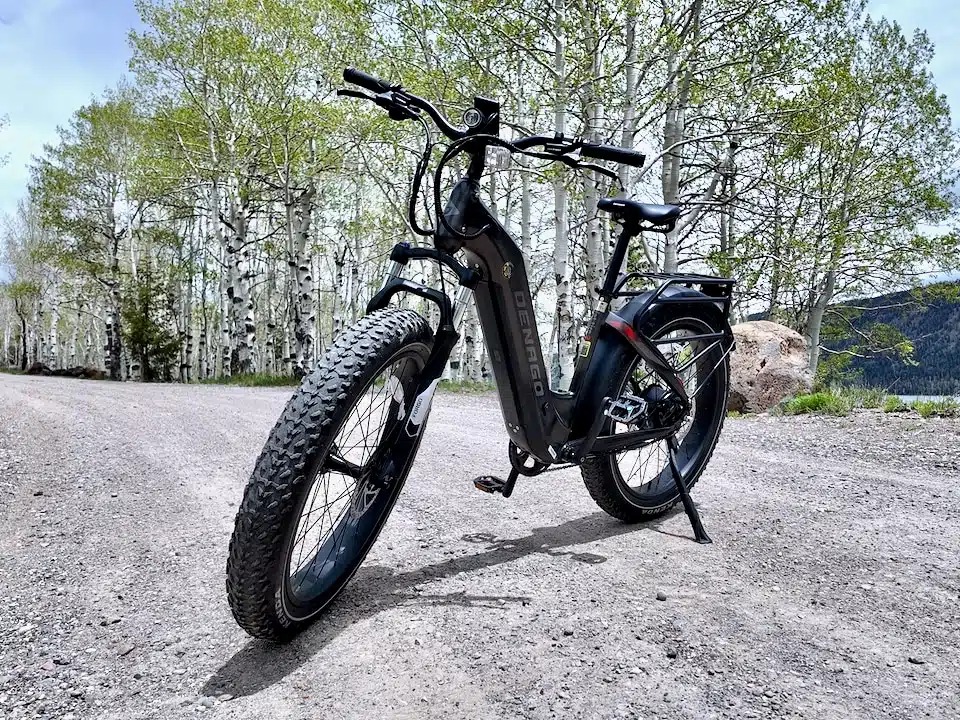
Denago Fat Tire Step Thru 2: $1999
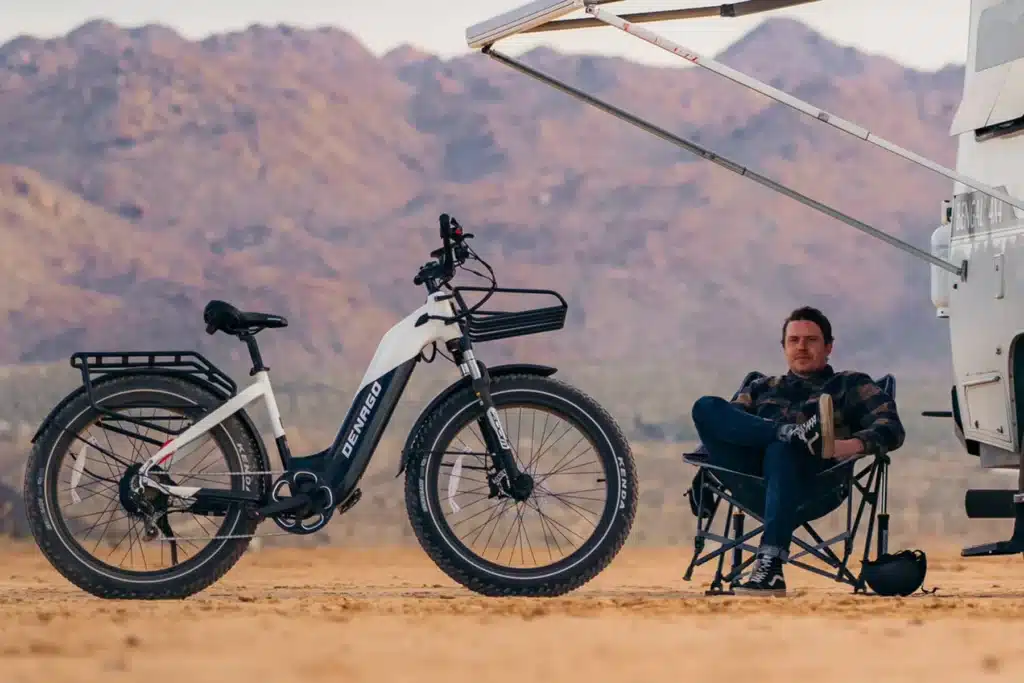
This is a standard fat tire ebike that is built very well and perfect for light offroad use, including camping or RVing. The battery life is excellent for long days on the trail, and it’s got hydraulic disc brakes for maximum stopping power.
The Fat Tire 2 Step-Thru has plenty of power and stability for the long haul and for tackling most kinds of terrain you’ll run into in light off-roading situations. It’s not designed for serious mountain biking, but it performs very well in any other kind of trail riding situation.
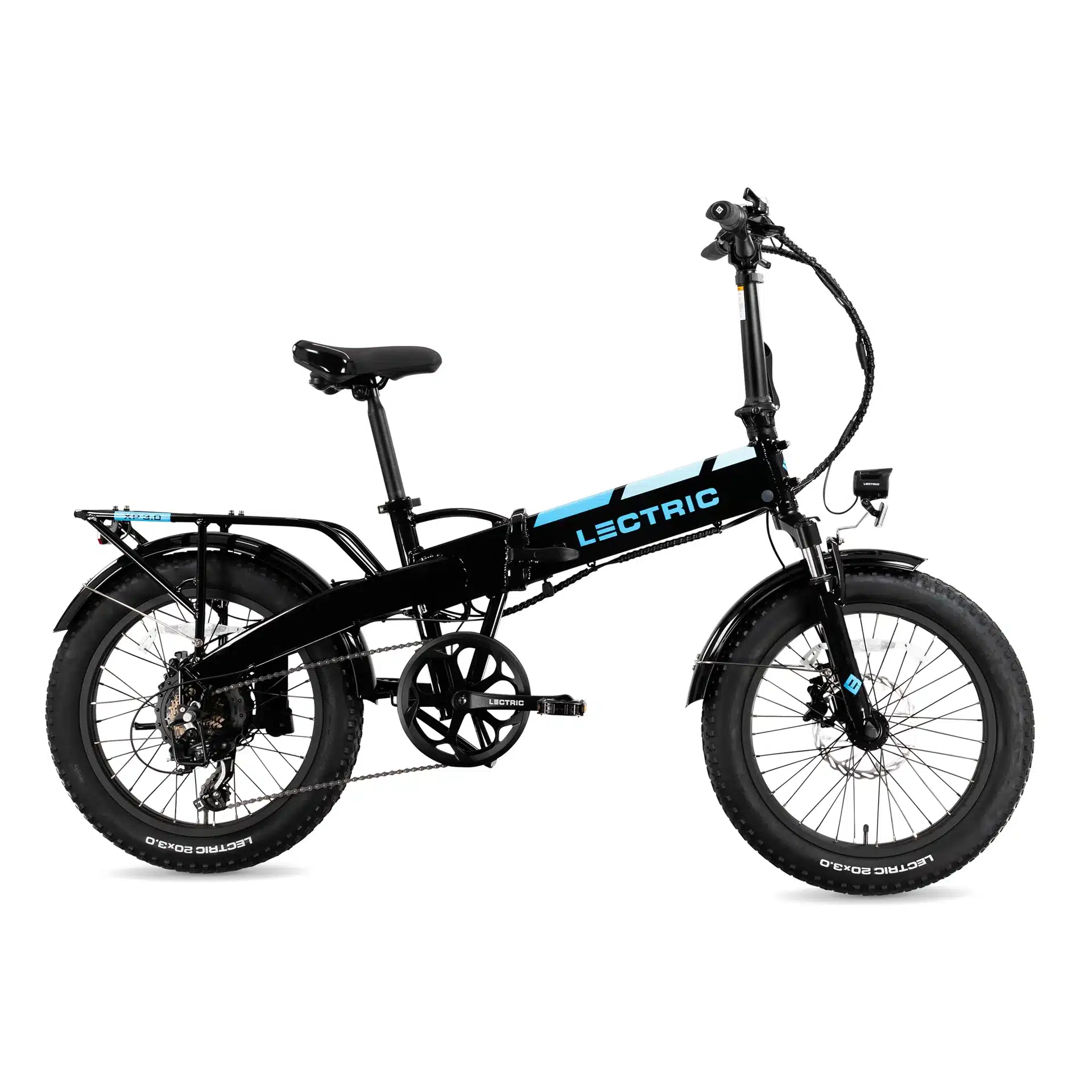
Most Do-It-All Fat Tire Ebike: Lectric XP 3.0
Lectric XP 3.0: $999
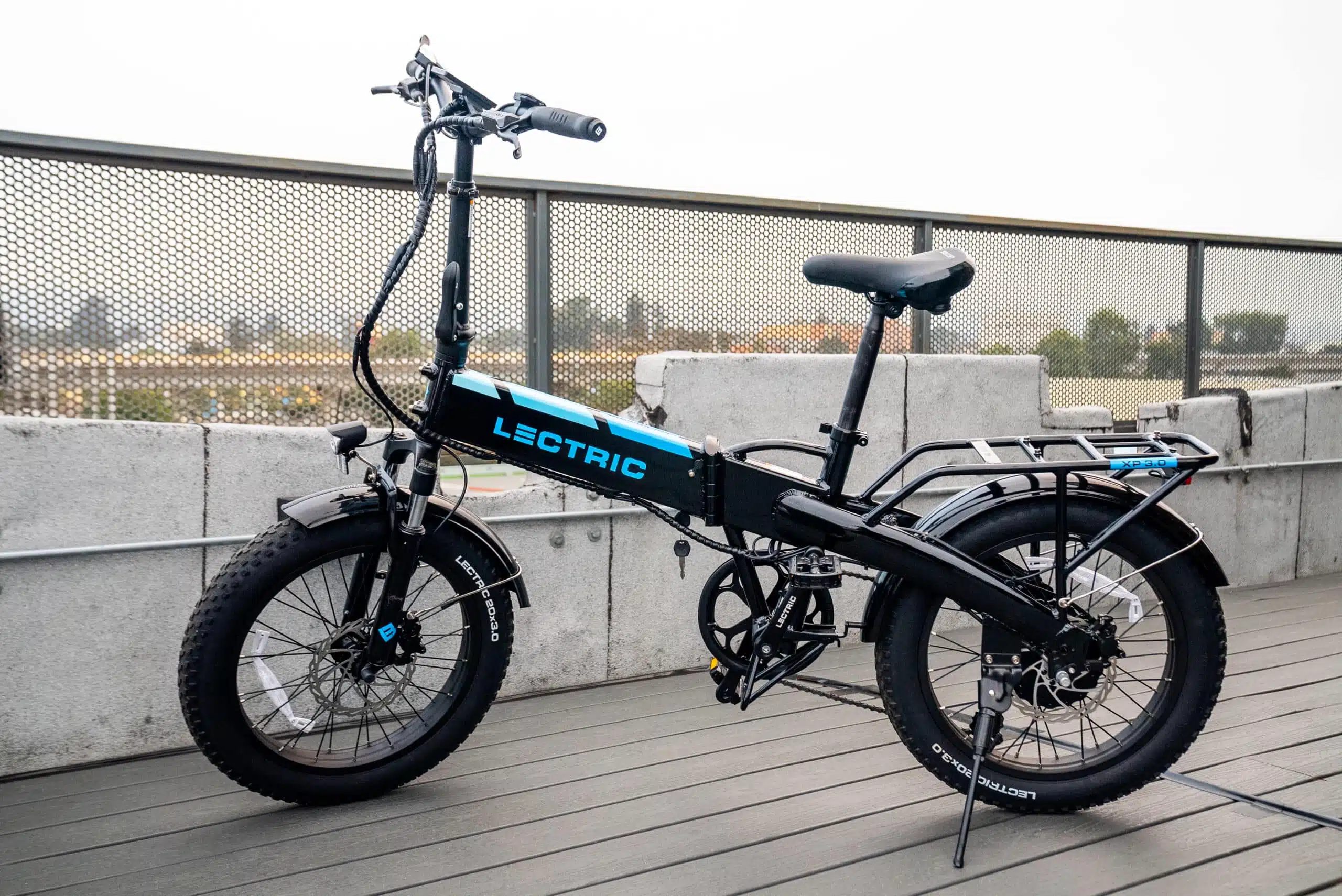
At a thousand dollars, the Lectric XP 3.0 has all the specs you’d expect in an e-bike, with the added bonus that it’s got hydraulic brakes.
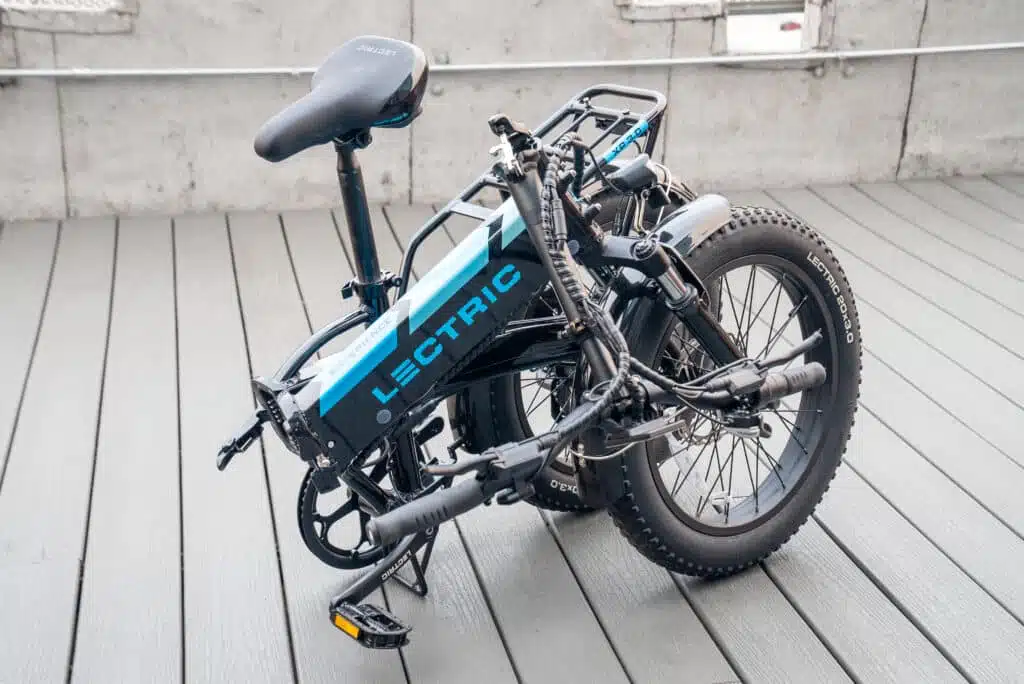
The brakes feel as good as anything else we’ve tested, the throttle response is really exceptional, and for the price it’s hard to imagine finding an ebike else that would tick all the same boxes while also folding up compactly into your backseat or large hall closet.
Once unfolded, the XP 3.0 can more or less handle anything you throw at it, with a rider weight limit of 330 pounds and an additional load limit of 150 lbs on its rear rack.
Fat Tire Ebike FAQs
What is the best fat tire electric bike in 2026?
The Lectric XP 3.0 ($999) is our top do-it-all fat tire ebike. For comfort the GOTRAX F3 leads, and the GOTRAX F2 ($765) is the best budget beginner pick.
What is a fat tire ebike good for?
Fat tires, 4 inches and wider, float over sand, snow, gravel, and trails, and they add cushion on rough pavement. They trade a little efficiency for grip and comfort.
How much does a good fat tire ebike cost?
Solid fat tire ebikes run from about $765 to $2,000. Every pick on this list lands under $2,000.
Are fat tire ebikes harder to pedal?
The wider tires add rolling resistance, so they take a bit more effort with the motor off. With pedal assist on, the extra grip is worth it for most riders.
Can you ride a fat tire ebike in snow and sand?
Yes. The wide, low-pressure tires are the main reason to buy one. They hold traction on soft ground where a regular ebike sinks or slips.
What is the difference between a fat tire ebike and a regular ebike?
A fat tire ebike runs 4 inch and wider tires for grip and comfort on loose or rough surfaces. A standard ebike uses narrower tires that roll faster on pavement but lose traction off-road.
Summing Up
Fat tire bikes are great, but not all of them are the same. Some fold, and some don’t. Some are more comfortable to ride than others, with suspension and hydraulic brakes, and some of them are more utilitarian.
We’ve tried to bring you a selection of fat tire electric bikes that meet most riders’ needs without breaking the bank. These are all electric bikes we’ve ridden, from companies that have built durable, reliable personal electric vehicles for years.
Do get yourself and/or your family a reliable, fun fat tire electric bike this year. Don’t buy online from a manufacturer no one’s heard of, with no warranty service to speak of, for a price that seems way too good to be true.
See our other guides to buying the best electric bikes on the market:
