
The California Ebike Voucher Program: What You Need to Know

1. What Is the California Ebike Voucher Program?
California is taking bold steps toward a greener future—and e-bikes are in the spotlight. Whether you’re a commuter looking to cut down on your carbon footprint or simply interested in easier, faster travel, the California ebike voucher program could help you afford a brand-new electric bike. In this post, we’ll break down how the program works, who’s eligible, and how you can prepare to apply once it officially launches.
The California EBike Voucher Program is a state-funded incentive designed to make electric bicycles more affordable for residents, particularly those from low- to moderate-income households. Here’s a quick overview:
- Purpose: Reduce greenhouse gas emissions, ease traffic congestion, and provide a budget-friendly transportation option.
- Administered By: The California Air Resources Board (CARB), in partnership with local and regional organizations.
- Budget: An initial state allocation of funds (often cited around $10 million) dedicated to e-bike subsidies.
By offering financial assistance toward the purchase of an e-bike, the state aims to promote sustainable mobility and help Californians switch from car-centric travel to cleaner, active transportation.
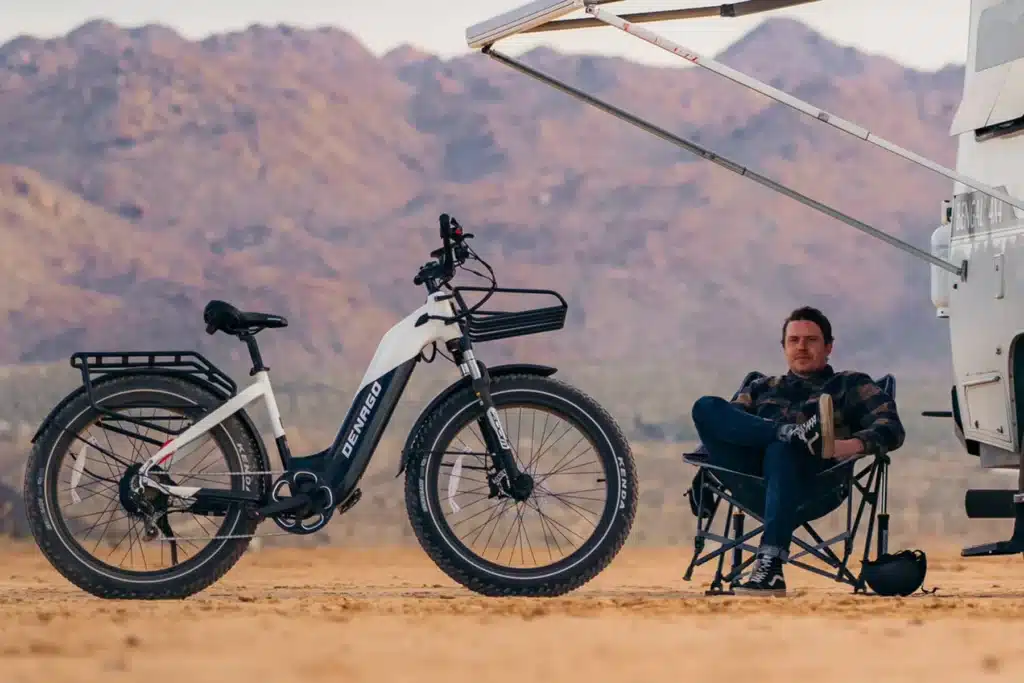
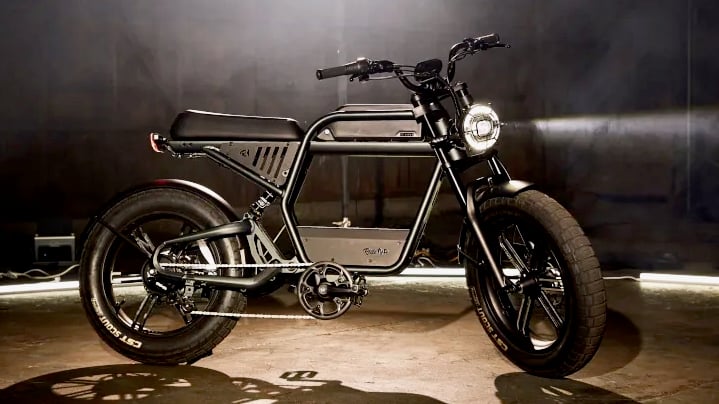
Link to Apply Best Moped E-Bikes Under $2600Moped style ebikes have become the EV of choice for riders with a sense of style and a budget between $1200 and $3400, but it can be hard to know which bikes are worth the money.See Our List
2. Why E-Bikes Matter
Electric bicycles have soared in popularity for a reason: they deliver the agility of a standard bike with an added battery-powered boost. Some key benefits include:

- Reduced Emissions: Substituting car trips with e-bike rides can greatly lower your carbon footprint.
- Health Benefits: Pedaling remains an integral part of e-bike use, offering exercise opportunities.
- Cost Savings: Electric bikes cost significantly less to maintain and operate than cars.
- Less Traffic & Parking Hassle: E-bikes are smaller, easier to park, and can often navigate through congested areas faster.
As part of California’s broader clean energy and air quality goals, e-bikes are a practical solution for short and medium-distance travel—especially in bike-friendly areas.
3. Who Qualifies for the E-Bike Voucher?
Although official details are still subject to finalization, early information suggests the following groups are likely to qualify:
- Low- to Moderate-Income Households
- Applicants may need to show proof of income, such as tax returns or eligibility for other state assistance programs.
- Residents of Disadvantaged Communities
- Certain zip codes or regions disproportionately impacted by pollution could be prioritized.
- Individuals Without Access to Other Clean Vehicle Incentives
- If you haven’t benefited from California’s Clean Cars 4 All program or other rebates, you may be eligible.
Keep an eye out for the final eligibility criteria once the official application process goes live.
While exact voucher amounts may vary based on income level and funding availability, preliminary discussions have suggested that vouchers could range anywhere from $750 to $1,500. Additional bonuses might be offered for cargo e-bikes or adaptive e-bikes for those with mobility challenges.
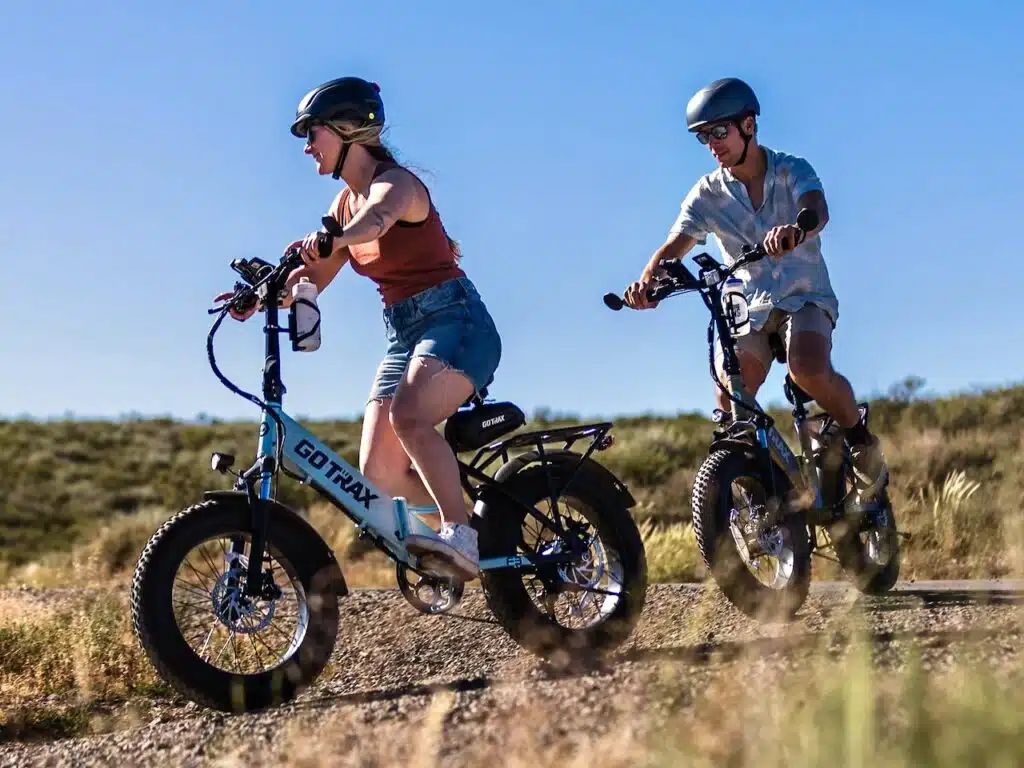
 Best Folding E-Bikes of 2024Folding electric bikes don’t require a bike rack or a big car to haul around. You can store one in a closet or an out-of-the-way corner at home. They’re very budget-friendly, and you still get most of the same features as you do on a non-folding model.See Our List
5. When and How to Apply
As of the latest updates, the state is opened for applications as of Dec 18. However the definitive date by which the applications will be fulfilled is unclear:
-
Eligibility
To qualify, you must be a California resident at least 18 years old with a household income at or below 300% of the federal poverty level (FPL).
-
Incentives
Qualifying applicants can receive a voucher of up to $1,750 for a standard, cargo, or adaptive e-bike. Those with an income under 225% FPL or living in a disadvantaged community may qualify for an additional $250, for a total of $2,000.
-
Application process
Applications were first-come, first-served. You could apply online, or request a paper application by emailing info@ebikeincentives.org. Paper applications could only be returned from December 18 to January 1, 2025.
-
Bike purchase
You must purchase a bike from an approved California bike shop or online from a company with a business location in California. You must also receive approval before purchasing an e-bike.

6. How to Choose the Right E-Bike
As of the latest updates, the state has not announced a definitive start date for when the voucher program will launch. However, here are some steps you can take to get ready:
- Stay Informed
- Follow the California Air Resources Board (CARB) website or subscribe to their newsletter.
- Prepare Documentation
- Have your proof of income, proof of residency, and identification ready.
- Research E-Bike Options
- Look up local bike shops and online retailers. Make a shortlist of models and prices.
- Check Local Rebates
- Some counties or utility providers already offer rebates for e-bikes. Stacking incentives could maximize your savings.
7. Tips for Maximizing Your E-Bike Experience
- Plan Safe Routes
- Use bike-friendly routes, designated lanes, or trails to enhance safety.
- Regular Maintenance
- Keep your e-bike in top shape with routine tune-ups, tire checks, and battery care.
- Proper Charging
- Follow manufacturer guidelines for charging. Avoid full discharge to prolong battery life.
- Invest in Security
- E-bikes can be pricey. Purchase a sturdy bike lock and consider insurance if available.
8. Frequently Asked Questions (FAQ)
-
Q: Can I combine the California e-bike voucher with other incentives?
A: Likely yes. Many utility companies, local governments, and non-profit organizations have their own e-bike rebate or incentive programs. Stacking these with the state voucher could lead to greater overall savings.
Q: Is there an expiration date for the voucher?
A: Specific deadlines will be announced once the program goes live. Typically, such programs have a set funding period or until allocated funds are exhausted.
Q: Can I use the voucher for a used e-bike?
A: Current proposals mainly focus on new e-bikes for reliability and safety reasons. However, final guidelines may include exceptions, so check the official program website for updates.
Q: What if I already purchased an e-bike this year?
A: Generally, rebates and incentives cannot be applied retroactively. Keep an eye out for any transitional guidelines that might allow for limited retroactive applications.
 Best Fat Tire E-Bikes Under $2000Fat tire electric bikes seem to be everywhere these days, and that's because they can go almost anywhere; their wide tires travel over dirt, mud, rock, sand, and snow. See Our List
1. What Is the California Ebike Voucher Program?
California is taking bold steps toward a greener future—and e-bikes are in the spotlight. Whether you’re a commuter looking to cut down on your carbon footprint or simply interested in easier, faster travel, the California ebike voucher program could help you afford a brand-new electric bike. In this post, we’ll break down how the program works, who’s eligible, and how you can prepare to apply once it officially launches.
The California EBike Voucher Program is a state-funded incentive designed to make electric bicycles more affordable for residents, particularly those from low- to moderate-income households. Here’s a quick overview:
- Purpose: Reduce greenhouse gas emissions, ease traffic congestion, and provide a budget-friendly transportation option.
- Administered By: The California Air Resources Board (CARB), in partnership with local and regional organizations.
- Budget: An initial state allocation of funds (often cited around $10 million) dedicated to e-bike subsidies.
By offering financial assistance toward the purchase of an e-bike, the state aims to promote sustainable mobility and help Californians switch from car-centric travel to cleaner, active transportation.
2. Why E-Bikes Matter
Electric bicycles have soared in popularity for a reason: they deliver the agility of a standard bike with an added battery-powered boost. Some key benefits include:
- Reduced Emissions: Substituting car trips with e-bike rides can greatly lower your carbon footprint.
- Health Benefits: Pedaling remains an integral part of e-bike use, offering exercise opportunities.
- Cost Savings: Electric bikes cost significantly less to maintain and operate than cars.
- Less Traffic & Parking Hassle: E-bikes are smaller, easier to park, and can often navigate through congested areas faster.
As part of California’s broader clean energy and air quality goals, e-bikes are a practical solution for short and medium-distance travel—especially in bike-friendly areas.
3. Who Qualifies for the E-Bike Voucher?
Although official details are still subject to finalization, early information suggests the following groups are likely to qualify:
- Low- to Moderate-Income Households
- Applicants may need to show proof of income, such as tax returns or eligibility for other state assistance programs.
- Residents of Disadvantaged Communities
- Certain zip codes or regions disproportionately impacted by pollution could be prioritized.
- Individuals Without Access to Other Clean Vehicle Incentives
- If you haven’t benefited from California’s Clean Cars 4 All program or other rebates, you may be eligible.
Keep an eye out for the final eligibility criteria once the official application process goes live.
While exact voucher amounts may vary based on income level and funding availability, preliminary discussions have suggested that vouchers could range anywhere from $750 to $1,500. Additional bonuses might be offered for cargo e-bikes or adaptive e-bikes for those with mobility challenges.

5. When and How to Apply
As of the latest updates, the state is opened for applications as of Dec 18. However the definitive date by which the applications will be fulfilled is unclear:
-
Eligibility
To qualify, you must be a California resident at least 18 years old with a household income at or below 300% of the federal poverty level (FPL).
-
Incentives
Qualifying applicants can receive a voucher of up to $1,750 for a standard, cargo, or adaptive e-bike. Those with an income under 225% FPL or living in a disadvantaged community may qualify for an additional $250, for a total of $2,000.
-
Application process
Applications were first-come, first-served. You could apply online, or request a paper application by emailing info@ebikeincentives.org. Paper applications could only be returned from December 18 to January 1, 2025.
-
Bike purchaseYou must purchase a bike from an approved California bike shop or online from a company with a business location in California. You must also receive approval before purchasing an e-bike.
6. How to Choose the Right E-Bike
As of the latest updates, the state has not announced a definitive start date for when the voucher program will launch. However, here are some steps you can take to get ready:
- Stay Informed
- Follow the California Air Resources Board (CARB) website or subscribe to their newsletter.
- Prepare Documentation
- Have your proof of income, proof of residency, and identification ready.
- Research E-Bike Options
- Look up local bike shops and online retailers. Make a shortlist of models and prices.
- Check Local Rebates
- Some counties or utility providers already offer rebates for e-bikes. Stacking incentives could maximize your savings.
7. Tips for Maximizing Your E-Bike Experience
- Plan Safe Routes
- Use bike-friendly routes, designated lanes, or trails to enhance safety.
- Regular Maintenance
- Keep your e-bike in top shape with routine tune-ups, tire checks, and battery care.
- Proper Charging
- Follow manufacturer guidelines for charging. Avoid full discharge to prolong battery life.
- Invest in Security
- E-bikes can be pricey. Purchase a sturdy bike lock and consider insurance if available.
8. Frequently Asked Questions (FAQ)
-
Q: Can I combine the California e-bike voucher with other incentives?
A: Likely yes. Many utility companies, local governments, and non-profit organizations have their own e-bike rebate or incentive programs. Stacking these with the state voucher could lead to greater overall savings.
Q: Is there an expiration date for the voucher?
A: Specific deadlines will be announced once the program goes live. Typically, such programs have a set funding period or until allocated funds are exhausted.
Q: Can I use the voucher for a used e-bike?
A: Current proposals mainly focus on new e-bikes for reliability and safety reasons. However, final guidelines may include exceptions, so check the official program website for updates.
Q: What if I already purchased an e-bike this year?
A: Generally, rebates and incentives cannot be applied retroactively. Keep an eye out for any transitional guidelines that might allow for limited retroactive applications.

