
The Ultimate Guide to Electric Scooter Safety
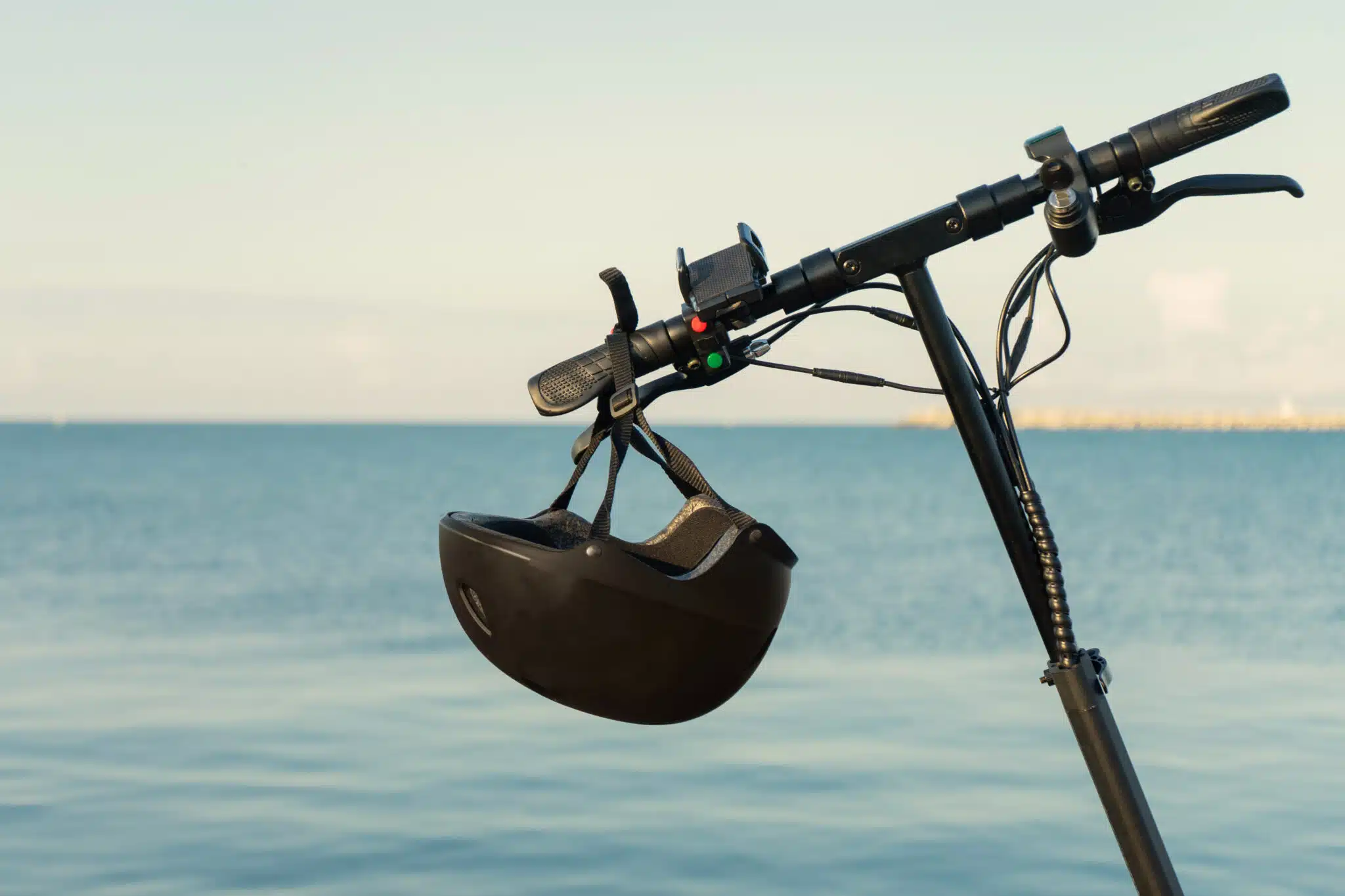
Probably the biggest concern that crosses your mind when hopping on an electric scooter is "Is it safe?" We're covering the basics of electric scooter safety, including tips on how to ride safely, what essential accessories you'll need and why, and how to prevent scooter theft — with real-world research to back it up.
Electric scooters are a safe, environmentally and economically friendly form of micromobility that has been around for many, many years, but has not been a prevalent mode of transportation in the United States until recently.

In this article, we'll cover tips on how to avoid getting hurt, what you should wear and bring with you for safety and convenience, and how to secure an electric scooter so it doesn't get stolen.
We'll also go over some stats that demonstrate how inexperience is the root of most accidents, and give you an overview of electric scooter laws. But let's start with what gear you need.
We'll also go over some stats that demonstrate how inexperience is the root of most accidents, and give you an overview of electric scooter laws. But let's start with what gear you need.
What Safety Gear Do I Need?

The most important thing is a helmet. Although a seatbelt doesn't save your life every time you get into a car, it absolutely can if an accident strikes. Helmets provide the same protection.
Let's start with what helmets you should buy.
Let's start with what helmets you should buy.
Pick a CPSC or DOT Certified Helmet
You should always wear a helmet, no matter how short the trip or how fast you are riding. A CPSC-certified bike helmet is the minimum, but you may want something more protective for higher speeds.
There are a number of different styles of helmets, including bicycle helmet, downhill mountain biking or BMX helmet, motorcycle helmet or full-face helmet. You can also find foldable helmets, which are more portable and still meet some safety standards.
There are a number of different styles of helmets, including bicycle helmet, downhill mountain biking or BMX helmet, motorcycle helmet or full-face helmet. You can also find foldable helmets, which are more portable and still meet some safety standards.
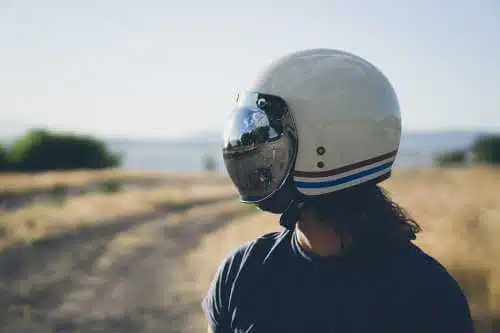
Among everyday scooter riders, the most popular are motorcycle helmets and downhill mountain biking helmets, which are usually DOT-certified. It's important that you select a certified helmet, as its manufacturing and design will be regulated by safety standards.
A motorcycle helmet is going to be heavier and provide eye protection, as it comes with a flip-down visor. The downhill helmet will be much lighter and has the most ventilation with highest protection, but you will need goggles or other eyewear as the upper half of your face is exposed.
Find a helmet that suits your needs with our comprehensive helmet guide.
A motorcycle helmet is going to be heavier and provide eye protection, as it comes with a flip-down visor. The downhill helmet will be much lighter and has the most ventilation with highest protection, but you will need goggles or other eyewear as the upper half of your face is exposed.
Find a helmet that suits your needs with our comprehensive helmet guide.
Adding Lights to Your Scooter

Most electric scooters do not come with enough lights for you to effectively see and be seen on the road when it's dark outside.
At the minimum, you want a bright high-mounted headlight (1000 lumens or better) and brake-responding taillight (usually red or orange). These both help others understand when you're braking, when you're riding with them and when you're riding toward them.
Some scooters come with what we call swag lighting, which often consists of LEDs running the length of the stem and/or deck. Although eye catching, this isn't a substitute for an actual headlight, as it probably won't help you see potholes or debris in the road until you're on top of them.
Some scooters come with what we call swag lighting, which often consists of LEDs running the length of the stem and/or deck. Although eye catching, this isn't a substitute for an actual headlight, as it probably won't help you see potholes or debris in the road until you're on top of them.
For better visibility, upgrade your scooter with some ultra-bright rechargeable LED lights, which you can attach to your scooter, helmet or body for even better visibility.
We recommend Shredlights for additional lighting, some of the best aftermarket lights you can buy for any electric vehicle.
For more on electric scooter lighting, see our guide on riding at night.
We recommend Shredlights for additional lighting, some of the best aftermarket lights you can buy for any electric vehicle.
For more on electric scooter lighting, see our guide on riding at night.
Additional Safety Accessories
Along with a helmet and lighting, there are a few other pieces of equipment that can help you stay safe on the road, including an audible warning device, hand and eye protection, and gear for air-filled tires (if you have those).
Audible Warning Devices
Most electric scooters come with an audible warning device, either an electronic horn or mechanical bell. If your scooter doesn't come with one, it's a very inexpensive addition that can help you be a more courteous rider.

Based on our measurements, a standard bell is around 90 dB and a mechanical horn is around 105 dB, which is more than loud enough for pedestrians and other riders nearby to hear you coming.
It's polite to use a bell around pedestrians, bicyclists and other personal electric vehicle (PEV) riders. If you have one, use a horn when contending with cars and in noisy areas.
When it comes to being heard by car drivers (windows closed), it's possible that neither a horn or bell will be loud enough. For reference, you can usually hear a police siren from inside a car, but that is around 120 dB.
It's polite to use a bell around pedestrians, bicyclists and other personal electric vehicle (PEV) riders. If you have one, use a horn when contending with cars and in noisy areas.
When it comes to being heard by car drivers (windows closed), it's possible that neither a horn or bell will be loud enough. For reference, you can usually hear a police siren from inside a car, but that is around 120 dB.
Hand and eye protection
If you've ridden a scooter in frigid weather, you know gloves are handy for more than one reason.
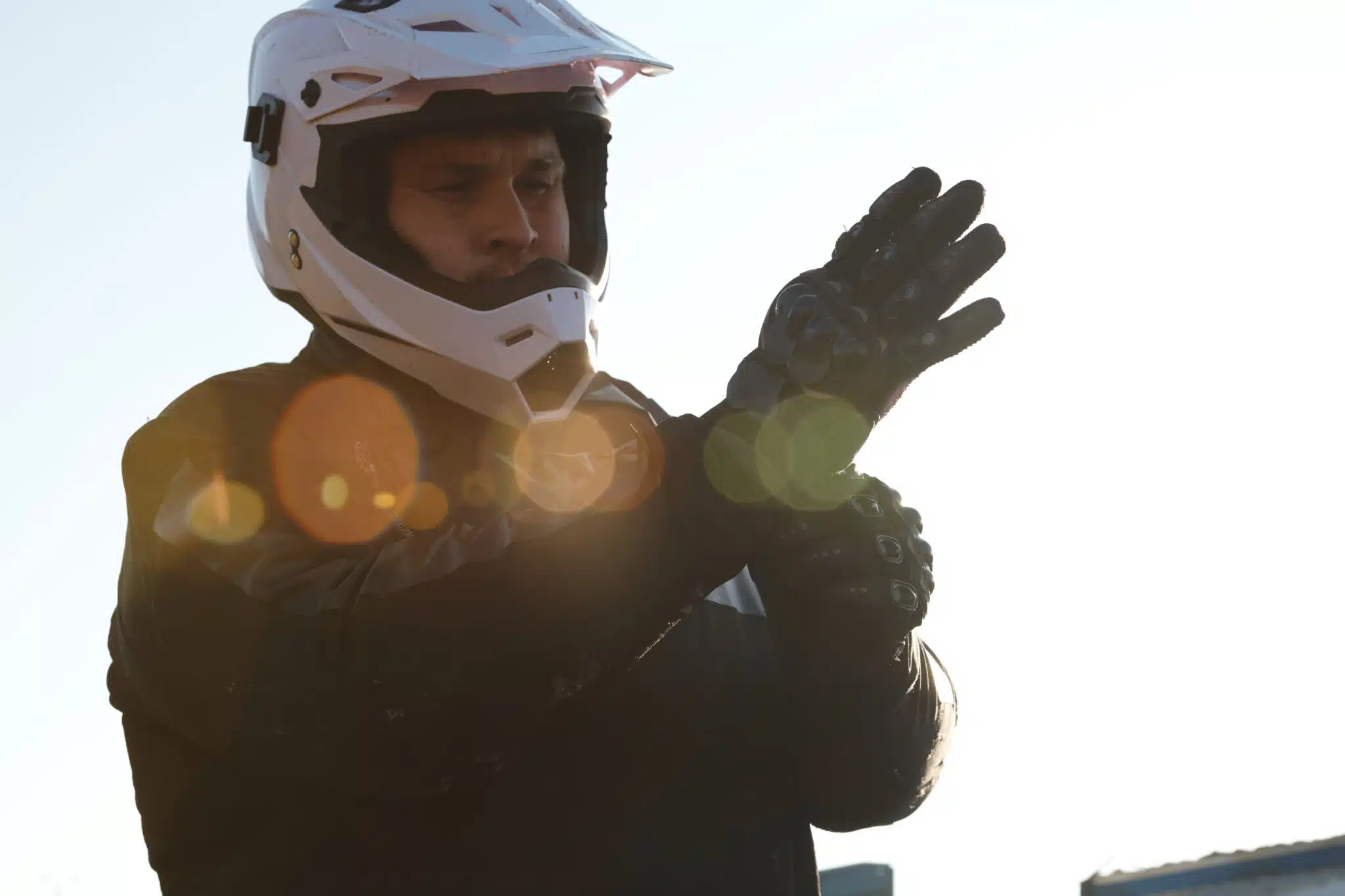
Not only will gloves keep your fingers warm and agile in cold weather, they'll also protect them in a fall. The last thing you want is to not be able to feel your fingers or flex them to activate the brakes in an emergency.
If there's lots of sunlight and wind in your eyes, it'll be hard for you to focus on the road. Eyewear or a face shield can also help prevent you from getting hit in the eye by rocks kicked up by other vehicles or bugs.
Wear protective eyewear, like racing goggles or sunglasses if not a full-face helmet, to ensure you can see where you're going.
If there's lots of sunlight and wind in your eyes, it'll be hard for you to focus on the road. Eyewear or a face shield can also help prevent you from getting hit in the eye by rocks kicked up by other vehicles or bugs.
Wear protective eyewear, like racing goggles or sunglasses if not a full-face helmet, to ensure you can see where you're going.
Essential Gear for Air-Filled Tires
If your scooter has pneumatic or air-filled tires, it's a good idea to have these few items handy: a tire valve extender, air pump and tire sealant. We recommend using Armor Dilloz tire sealant, made specifically for electric scooters, onewheels, and electric unicycles.
There are two types of air-filled tires, inner tube and tubeless; if tubed, you may also want to carry a spare inner tube if it's a really bad flat. Tubeless tires tend to be more durable as they aren't prone to pinch flats, where the inner tube gets pinched by the rim, which is a leading cause of flats on scooters.
Our accessories guide has a complete list of electric scooter gear that you can purchase.
There are two types of air-filled tires, inner tube and tubeless; if tubed, you may also want to carry a spare inner tube if it's a really bad flat. Tubeless tires tend to be more durable as they aren't prone to pinch flats, where the inner tube gets pinched by the rim, which is a leading cause of flats on scooters.
Our accessories guide has a complete list of electric scooter gear that you can purchase.
How Do I Ride Safely in Traffic?
Now that you know what gear you'll need, here are some tips for how to ride.
The best overarching advice to avoid getting hurt is this: be prepared and gain riding experience before joining traffic.
Even those with years of experience get hurt, as you're taking a risk by riding a vehicle (an electric scooter is a vehicle) that doesn't protect your soft human body in the case of an accident.
It's important to take scooters seriously, because you can get seriously hurt — if you're not careful.
Even those with years of experience get hurt, as you're taking a risk by riding a vehicle (an electric scooter is a vehicle) that doesn't protect your soft human body in the case of an accident.
It's important to take scooters seriously, because you can get seriously hurt — if you're not careful.
Top 6 Electric Scooter Safety Tips
6. Gain experience before riding in traffic
Just like driving a car, you have to understand traffic patterns, your own speed and trajectory, and how to merge those together when riding an electric scooter to stay safe — and that comes with experience.

Even if you're not riding with traffic, you need to be aware of your surroundings to avoid accidents with even twigs in the road (yes, even that can take you down).
Similar to how you shift your weight when snowboarding and skateboarding, it helps to shift your weight when riding an electric scooter, especially when braking and turning. With experience, you'll get a feel for how your body position affects the ride, and what hazards in the road to avoid.
Similar to how you shift your weight when snowboarding and skateboarding, it helps to shift your weight when riding an electric scooter, especially when braking and turning. With experience, you'll get a feel for how your body position affects the ride, and what hazards in the road to avoid.
If it's a shared scooter, try to find a nearby parking lot or public park where you can practice starting, stopping and turning. If it's a personal scooter, you can do the same, and also practice in your neighborhood.
The goal is to practice riding and do so in a safe environment, so that you're familiar enough with how it feels.
To learn more, check out our comprehensive guide on how to ride an electric scooter.
The goal is to practice riding and do so in a safe environment, so that you're familiar enough with how it feels.
To learn more, check out our comprehensive guide on how to ride an electric scooter.
5. Check the scooter before every ride
Before every ride, you should perform a pre-flight check on your scooter. But what does that mean?
If it's a shared scooter, make sure it's got enough charge for your trip, and the tires, display and controls (brake and throttle) are in good working condition.
If it folds, make sure that the mechanism is well seated by pushing forward and pulling backward on the handlebars. If it has a light (essential if it's dark on the road), make sure it works.
If it folds, make sure that the mechanism is well seated by pushing forward and pulling backward on the handlebars. If it has a light (essential if it's dark on the road), make sure it works.
If it's a scooter that you own, make sure to check all of the above, along with any accessories that you've added to make sure they're secure.
Some scooters have lots of bolts and exposed cabling while others are completely streamlined, so knowing your scooter and checking it before each ride are insurance against injury.
Some scooters have lots of bolts and exposed cabling while others are completely streamlined, so knowing your scooter and checking it before each ride are insurance against injury.
4. Know your route and where you're allowed to ride
Along with understanding traffic laws around electric scooters, you should plan your route and understand riding conventions when around cyclists, pedestrians and other PEV riders.
Before you get out on the road, know which route to take and choose one that helps you avoid hazards, like contending with fast-moving cars on roads without bike lanes or sidewalks.
Before you get out on the road, know which route to take and choose one that helps you avoid hazards, like contending with fast-moving cars on roads without bike lanes or sidewalks.

Also, knowing hand signaling conventions, and what you can do without losing control of the scooter, is a great way to share the road with others.
If you don't feel comfortable removing your hands from the handlebars, you can flap an elbow or poke your foot out in the direction that you need to go. This keeps your hands securely on the handlebars, and you really need both hands to steer and hold the scooter's front wheel straight.
If you don't feel comfortable removing your hands from the handlebars, you can flap an elbow or poke your foot out in the direction that you need to go. This keeps your hands securely on the handlebars, and you really need both hands to steer and hold the scooter's front wheel straight.
Planning also means paying attention, moment to moment. If you're riding behind a pedestrian on a bike path, it's a good idea to slow down and ring a bell to let them know you want to pass.
Make sure they acknowledge you before proceeding, as you don't want to run into someone that's got earbuds in and didn't see or hear you coming.
Make sure they acknowledge you before proceeding, as you don't want to run into someone that's got earbuds in and didn't see or hear you coming.
3. Never ride tandem (with another person)
Although it might seem fun, frugal or convenient, riding two or more to a scooter is always a bad idea.
In general, electric scooters aren't built for more than one rider. Balancing, sharing the handlebars and starting/stopping are going to be more challenging when two people are riding one scooter — especially if it's a shared scooter which has a limited weight capacity and braking ability.
Again, not recommended, but if you decide to ride tandem, take the proper precautions (helmets for all) and don't go at excessive speeds.
Again, not recommended, but if you decide to ride tandem, take the proper precautions (helmets for all) and don't go at excessive speeds.
Alternatively, you could purchase a seated scooter, some of which are better built for multiple riders, get a trailer to tow pets or kids behind you… or get two full-grown scooters for two full-grown adults.
2. Don't ride while intoxicated
According to a study by UCLA, the majority of scooter-related accidents that were observed happened between 3 PM and 11 PM, which also happens to be the time people like to hit the bars and get a drink.
Riding an electric scooter while intoxicated is as dangerous as getting behind the wheel of a car, except you're not enclosed in a literal ton of metal.
Riding an electric scooter while intoxicated is as dangerous as getting behind the wheel of a car, except you're not enclosed in a literal ton of metal.
Although it may seem like a convenient way to go bar hopping in large cities where shared scooters scatter the streets, it's not a good idea.
By impaired, we're talking about anything that would distract your mind and limit your ability. For example, if you're overly tired or emotional.
If you're mentally checked out, it's a good idea to grab a rideshare or walk rather than hop on your scooter.
By impaired, we're talking about anything that would distract your mind and limit your ability. For example, if you're overly tired or emotional.
If you're mentally checked out, it's a good idea to grab a rideshare or walk rather than hop on your scooter.
1. Always, always wear a helmet
Roughly 96% of the people in the UCLA study that were injured while riding a scooter were not wearing a helmet.
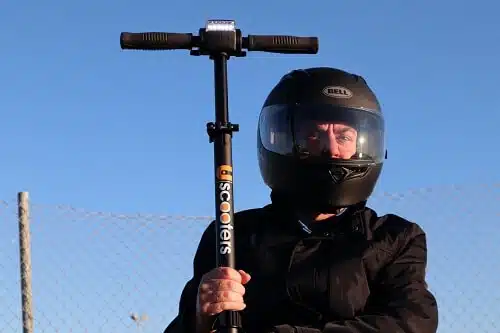
Oftentimes this just has to do with convenience. If it's not included with the scooter that you're renting, you're not going to go buy one just to ride it. However, not wearing a helmet can have severe consequences in the event of an accident.
If you rent scooters often enough, you could purchase a foldable helmet for portable protection (that you know is sanitary) or try to rent scooters that come with helmets.
Some scooter sharing companies have rebate programs for safety gear or provide helmets. For example, Spin offers free and discounted helmets to its members, and Tier provides a helmet with their rentals.
If you own a scooter, you should own a helmet because it's "not if but when" an accident will happen.
If you rent scooters often enough, you could purchase a foldable helmet for portable protection (that you know is sanitary) or try to rent scooters that come with helmets.
Some scooter sharing companies have rebate programs for safety gear or provide helmets. For example, Spin offers free and discounted helmets to its members, and Tier provides a helmet with their rentals.
If you own a scooter, you should own a helmet because it's "not if but when" an accident will happen.
How Should I Lock an Electric Scooter?
Although we generally don't recommend leaving your electric scooter unattended outside, locked to a pole or not, here are some tips for making sure it's as safe as possible.
What Lock to Use
To secure your scooter when out in public, we recommend using a very high quality U-lock.
They are expensive (around $110), heavy duty and cannot be cut like chains or cable locks. The Gotrax G4 has a built-in combo cable lock which is an awesome feature, but won't stop someone with good wire cutters from snatching it.
They are expensive (around $110), heavy duty and cannot be cut like chains or cable locks. The Gotrax G4 has a built-in combo cable lock which is an awesome feature, but won't stop someone with good wire cutters from snatching it.
Slip the U-lock through a secure locking and permanent point that can’t be easily removed with tools. Some examples are through/around the frame, a permanent carrying handle or the folding mechanism.
Lock your scooter to a bike rack or nearby pole when needed but, in general, store your electric scooter indoors.
Lock your scooter to a bike rack or nearby pole when needed but, in general, store your electric scooter indoors.
What Not to Use (or Rely On)
Disc brake locks, which lock the wheel to keep the scooter from being rolled away, are ineffective if you can lift the scooter into a vehicle. They might work for scooters in excess of [esg_unit 100 lbs], but are not generally effective.
There are also electronic theft deterrents, like keystart ignitions, immobilizer alarms and NFC card readers. Some scooters also have locking features that are controlled through Bluetooth-enabled apps.
There are also electronic theft deterrents, like keystart ignitions, immobilizer alarms and NFC card readers. Some scooters also have locking features that are controlled through Bluetooth-enabled apps.

Summary
Overall when it comes to scooter safety, you may have noticed a couple overarching trends: gain experience and wear a helmet.
Now that you've got the basics of the safety gear you need and how to ride an electric scooter safely, pick the best electric scooter for you, get outside, ride safe, and (always) wear a helmet!
Now that you've got the basics of the safety gear you need and how to ride an electric scooter safely, pick the best electric scooter for you, get outside, ride safe, and (always) wear a helmet!

Our newsletter has the biggest discounts, newest scooter reviews, best how-to’s, & no spam. Unsubscribe anytime!